Hydrangea Care Guide

Mukesh Kumar
| 03-02-2026
 · Plant Team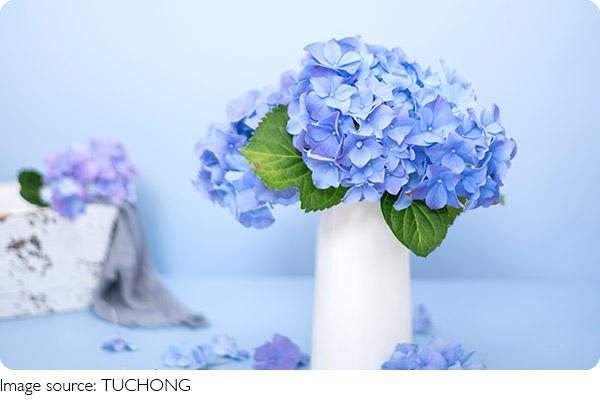
Hydrangeas can transform a garden or balcony with their lush, rounded blooms. Seeing a cluster of these flowers in full color often feels like stepping into a watercolor painting.
But to enjoy their beauty fully, understanding their care needs is key. From sunlight to soil preferences, hydrangeas have specific habits that, once learned, make them easy to nurture.
Choosing the Right Spot
Hydrangeas thrive when their environment matches their light and moisture needs.
1. Light balance
Hydrangeas prefer morning sun with afternoon shade. Too much direct sun can scorch leaves, while too little light may result in fewer blooms. For balcony gardeners, placing the plant near an east-facing railing works well.
2. Soil conditions
They flourish in rich, well-draining soil. Adding compost or organic matter can help retain moisture without causing waterlogging. For example, mixing garden soil with peat moss improves both texture and nutrition.
3. Space considerations
Hydrangeas grow wide, so ensure there's room for their full spread. Crowding them can reduce airflow, making plants prone to disease. Planting at least 3 feet apart is ideal for outdoor gardens.
Watering and Moisture
Hydrangeas are moisture-loving but don't tolerate soggy roots.
1. Consistent watering
Aim to keep the soil evenly damp. Water deeply 2–3 times per week in hot months. Using a watering can with a narrow spout ensures water reaches the base without washing away soil.
2. Mulching benefits
Applying a 2-inch layer of mulch helps maintain soil moisture and stabilizes temperature. Pine bark or shredded leaves work well. Mulch also reduces unwanted plant growth around the plant.
3. Signs of dehydration
Drooping leaves or brown edges indicate the plant needs water. Morning watering is best, allowing leaves to dry during the day, which reduces the risk of fungal issues.
Pruning Techniques
Proper pruning keeps hydrangeas healthy and promotes stronger blooms.
1. Timing matters
Prune immediately after flowering for varieties that bloom on old wood, like bigleaf hydrangeas. For those blooming on new growth, prune in late winter or early spring.
2. Method
Remove dead or weak stems, and cut back overgrown branches. This encourages bushier growth and prevents the plant from becoming stiff or sparse.
3. Tools and care
Use clean, sharp shears to make precise cuts. For extra control, prune in stages rather than all at once, which reduces stress on the plant.
Fertilizing for Vibrancy
Fertilizer helps maintain bright colors and lush foliage.
1. Choosing the right type
A balanced, slow-release fertilizer is ideal. Look for one with equal parts nitrogen, phosphorus, and potassium for consistent growth.
2. Application schedule
Fertilize once in early spring and again in early summer. Over-fertilizing can lead to lush leaves but fewer blooms, so follow package instructions carefully.
3. Enhancing bloom color
Soil pH affects bloom color for some varieties. Acidic soil can enhance blue tones, while alkaline soil favors pink shades. Using soil amendments like aluminum sulfate can adjust pH gradually.
Pest and Disease Management
Hydrangeas are relatively hardy but need occasional attention to avoid problems.
1. Common pests
Aphids, spider mites, and slugs can appear on leaves. Inspect plants weekly and remove pests by hand or use a mild insecticidal spray if needed.
2. Disease prevention
Fungal issues like powdery mildew thrive in high humidity. Ensure good airflow around the plant and avoid overhead watering.
3. Natural care tips
Applying a plant-based oil or a garlic-based solution can deter pests without harsh chemicals, keeping blooms safe for indoor display.
Winter Protection
Cold weather can damage hydrangeas, especially young plants.
1. Mulch and insulation
Apply extra mulch around the base to protect roots. For potted hydrangeas, wrap the container in burlap or move it to a sheltered location.
2. Minimal pruning
Avoid heavy pruning in late fall, as this can expose buds to frost damage. Only remove dead or diseased branches.
3. Indoor care for potted plants
If grown indoors, ensure they still get adequate light and reduce watering during dormant months. A bright, cool room is ideal.
Hydrangeas reward attention with stunning blooms that can brighten any garden or indoor space. Observing their needs carefully—light, water, pruning, and protection—ensures vibrant flowers year after year. Even a small balcony with a couple of well-tended plants can feel like a peaceful retreat when clusters of hydrangea flowers are in full display. With patience and consistent care, these iconic blooms become a living centerpiece, turning every glance into a moment of joy.