Sunflower Surprises

Raghu Yadav
| 13-02-2026
 · Art Team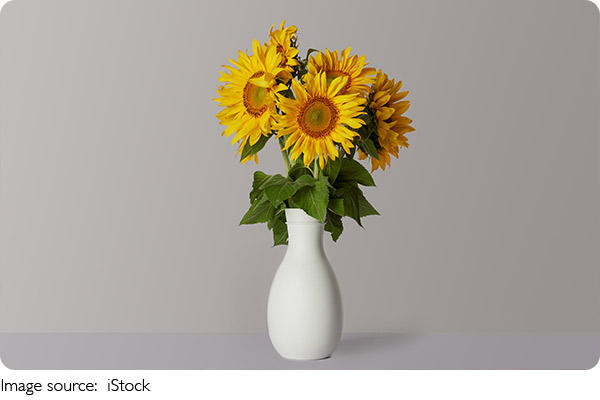
Imagine walking through a field filled with towering sunflowers, each one turning its golden face toward the sun.
It's a stunning sight, but there's more to these flowers than just their beauty. Sunflowers have behaviors, structures, and survival tricks that make them fascinating plants beyond their sunny appearance.
Sun Tracking: Nature's Solar Panels
Young sunflowers have a unique ability called heliotropism—they follow the sun across the sky during the day.
Morning to evening movement: The stems bend to track sunlight from east to west, maximizing photosynthesis.
Nighttime reset: At night, the flowers slowly return to face east, ready for the sunrise.
Actionable example: Plant sunflowers in a garden where they can get full sun from morning to evening. You'll notice their heads gradually tracking the sun, which can brighten any backyard view.
Massive Seed Production
Sunflowers are remarkable for how many seeds they can produce.
Seed clusters: A single sunflower head can contain hundreds to over a thousand seeds arranged in a spiral pattern.
Fibonacci design: The seeds follow a mathematical spiral known as the Fibonacci sequence, which allows for optimal packing in the flower head.
Actionable example: Harvest seeds from mature flowers to roast for a healthy snack, or save them for next year's planting. Even a small garden sunflower can yield dozens of seeds.
Pollinator Magnets
Sunflowers attract a wide variety of pollinators, which is essential for their reproduction.
Bees and butterflies: The bright yellow petals signal nectar and pollen to insects from a distance.
Bird attention: Birds are drawn to the seeds, helping spread them once they fall.
Actionable example: Encourage pollinators by planting sunflowers alongside other flowering plants. You'll support local bees while increasing the chances of successful seed development.
Height and Growth Speed
Sunflowers are not just beautiful—they grow fast and tall.
Rapid growth: Some species can grow over a foot per week under ideal conditions, reaching heights of 6–10 feet in a single season.
Strong stems: Their thick stalks help support the large flower heads, even in windy conditions.
Actionable example: Use a sturdy stake for support in a garden if growing tall varieties. This prevents bending or snapping and ensures healthy blooms.
Edible and Useful Plants
Sunflowers aren't just eye-catching—they're practical too.
Seeds: A rich source of protein, fiber, and healthy oils. They're commonly roasted or pressed for sunflower oil.
Stalks: Can be used as animal fodder or composted to enrich soil.
Actionable example: Collect fallen stalks after the growing season to mulch garden beds. They decompose slowly, adding nutrients to the soil for future crops.
Sunflowers in Culture and Science
Beyond gardens, sunflowers have inspired people and studies.
Symbolism: They represent happiness, loyalty, and longevity in art and traditions around the world.
Scientific studies: Their heliotropic nature has inspired solar panel design and research into energy-efficient tracking systems.
Actionable example: Use sunflowers in a home garden as natural decor. Their presence not only lifts moods but also draws attention from pollinators and wildlife, creating a lively ecosystem.
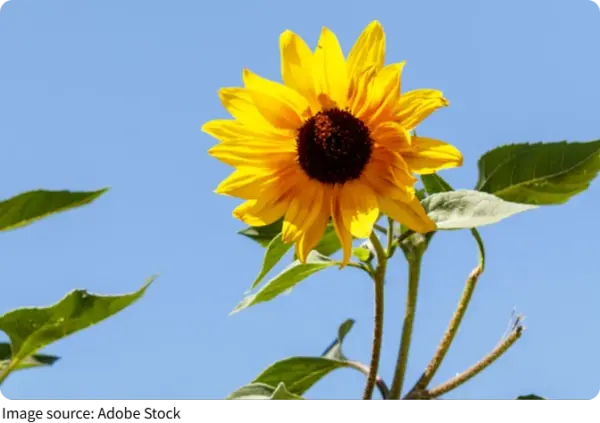
Sunflowers are more than cheerful yellow blooms. Their sun-tracking ability, intricate seed patterns, rapid growth, and role in supporting pollinators make them extraordinary plants. Planting sunflowers in your garden allows you to witness these natural wonders firsthand, while also enjoying seeds, beauty, and ecological benefits. Next time you see a sunflower, take a closer look—you'll be amazed by the subtle genius hidden in their sunny faces.