Deer Migration and Habitat

Mason O'Donnell
| 04-03-2026
 · Animal Team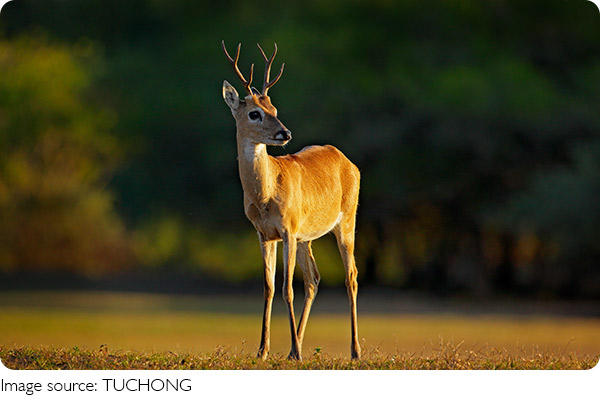
Spotting a small group of deer gracefully navigating a forest path can feel almost magical.
Yet behind this serene scene lies a highly organized and instinctive behavior: migration.
Deer do not remain stationary; they move across landscapes to find food, water, and safety, adjusting their routes with the seasons. Observing these patterns provides insight into their remarkable adaptability and survival strategies.
Migration Patterns
1. Seasonal Movements
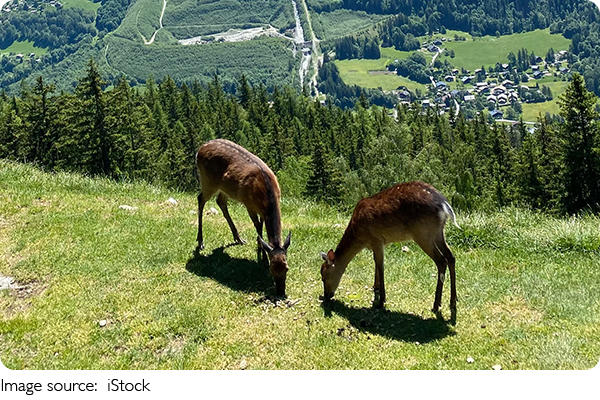
Deer often follow predictable seasonal paths, moving from summer feeding grounds in lush forests or meadows to winter habitats offering shelter and more reliable food sources. These migrations are influenced by temperature, snowfall, and vegetation cycles. In regions with harsh winters, deer may travel several miles to lower elevations or valleys where snow is less deep, reducing energy expenditure.
2. Long-Distance Travelers
Some deer populations undertake extensive journeys. For example, white-tailed deer in North America may migrate tens of miles between summer and winter ranges. These movements are not random; they rely on traditional routes passed down through generations, demonstrating an innate sense of direction and memory.
3. Barriers and Challenges
Human development, including roads and urban sprawl, can disrupt migration corridors. Deer may need to navigate around highways, fences, or farmland, which can increase the risk of accidents or reduce access to essential habitats. Conservation efforts often include wildlife corridors or underpasses to maintain safe passage.
Habitat Preferences
1. Food Availability
Deer select habitats rich in forage. During spring and summer, they favor areas with abundant vegetation like meadows and young forests. In winter, their preferences shift to coniferous forests or scrublands that provide both food and cover from predators and harsh weather.
2. Shelter and Protection
Dense forests, thick brush, and riparian zones offer safety from predators and harsh weather. Deer use these areas for bedding and raising fawns. Habitat selection is a balance between accessibility to food and the availability of protective cover.
3. Water Access
Proximity to water is a key factor. Rivers, lakes, and wetlands not only provide drinking water but also support vegetation growth, creating a reliable food source. Deer often establish home ranges around these water-rich areas.
Adaptations to Changing Environments
1. Behavioral Flexibility
Deer exhibit remarkable adaptability. In regions where natural habitats are fragmented, they may adjust their migration timing or take alternative routes to find resources. Some populations even become more nocturnal to avoid human disturbances.
2. Survival Strategies
During severe winters or droughts, deer may cluster in sheltered areas, conserve energy, and feed on less-preferred vegetation. This resilience allows populations to persist even in challenging conditions.
3. Human Interaction
Understanding deer migration helps humans mitigate conflicts, such as vehicle collisions and crop damage, while supporting conservation. Wildlife corridors and habitat restoration are practical measures that benefit both deer and communities.
Watching deer move across landscapes is more than a visual delight; it is a testament to their resilience and intelligence. By observing their seasonal migrations and understanding their habitat preferences, we gain insight into the delicate balance between wildlife and the environment. Supporting corridors and preserving natural habitats ensures that future generations can continue to witness these graceful journeys.