Small Study, Big Style

Sofia Alvarez
| 20-06-2026
 · Lifestyle Team
Hi, Readers! A small study can feel like trying to fit a full symphony into a tiny elevator, but with the right setup, it can still look polished and work beautifully.
The key is not stuffing every nice-looking thing into the room. It is choosing pieces that earn their place, keeping the layout light, and letting wood furniture bring in warmth without making the space feel heavy.
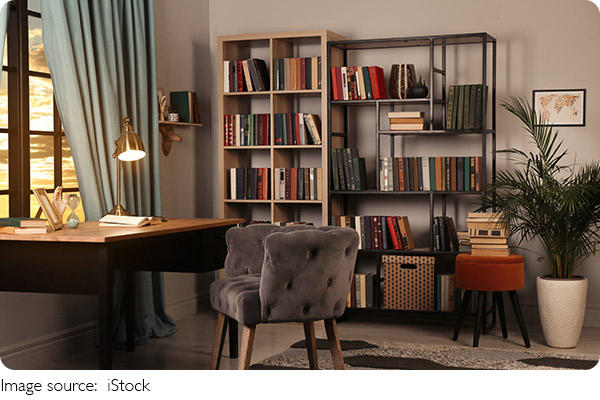
In a compact study, wall space is your best teammate. A slim desk placed against the wall or tucked near a window keeps the room open while still giving you a proper work surface. If the room is especially tight, a floating desk or wall-mounted shelf desk can do the job without crowding the floor. This kind of setup keeps the area airy and makes cleaning much easier too, which is always a tiny victory worth celebrating.
Choose the Right Desk
A desk in a small room should be the right size, not the biggest one you can squeeze in after a deep breath and a little optimism. Narrow writing desks, corner desks, and fold-down desks work especially well in limited spaces. Look for a model with a drawer or a lower shelf if you need a bit of storage, but avoid bulky shapes that visually weigh down the room. If possible, place the desk near natural light. That makes the study feel brighter and helps the whole space seem larger.
Use Vertical Storage
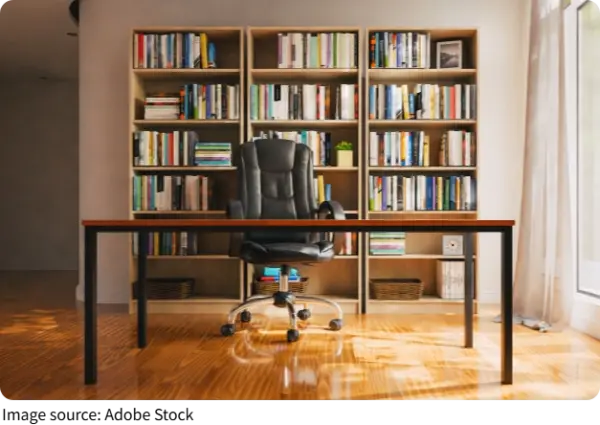
When floor area is limited, go up. Shelving above the desk, tall bookcases, pegboards, and wall organizers can store books, papers, and daily supplies without eating into your walking space. Closed storage is useful when you want the room to feel neat, while open shelves can display a few books or decorative pieces. The trick is balance. Too many items on display can make a tiny study feel cluttered in a hurry.
Keep the Color Palette Light
Light colors help a small study feel more open, and wood furniture fits especially well when paired with white, cream, soft gray, or pale beige walls. This pairing keeps the room warm and natural instead of cold and flat. If you like darker wood, use it in one or two key pieces, such as the desk or bookshelf, and keep the surrounding tones bright so the room does not feel too packed.
Wood Furniture Pairing Guide
Wood furniture brings texture and comfort to a study, but mixing tones carelessly can feel like inviting too many loud guests to the same tiny table. A simple approach works best. Light wood such as oak or ash pairs well with white walls, woven storage baskets, and simple fabric chairs for a fresh and relaxed look. Medium wood tones create a classic, balanced feel and work nicely with black accents, muted green plants, and soft neutral textiles. Dark wood looks more grounded and refined, but in a small study it should be used sparingly. One dark wood desk with lighter shelves or a pale rug can create contrast without making the room feel boxed in.
Pick Furniture With More Than One Job
In a small room, every piece should pull its weight. A desk with drawers, a bench with storage, or a bookcase that also holds decorative boxes can help reduce clutter. A compact chair that slides fully under the desk saves space when not in use. If the study also serves another purpose, such as a guest corner or reading nook, furniture with dual use becomes even more helpful.
Finish With Good Lighting
Lighting can quietly rescue a small study. Even if you have natural light during the day, a focused desk lamp is important for evening work and cloudy afternoons. Wall sconces or clamp lights are especially handy in tight spaces because they free up desk space. Add one soft ambient light if possible, and the room will feel more comfortable and complete.
A beautiful small study is really about thoughtful choices, not square footage. Keep the layout simple, use vertical storage, choose wood furniture with a clear plan, and let each item serve a purpose. When everything works together, even the tiniest room can feel calm, useful, and surprisingly charming.