Compass Navigation Skills
Arvind Singh
| 11-08-2026
 · Lifestyle Team
When we step onto an unfamiliar trail, knowing which way to go can make the journey much easier. A compass gives us a simple way to understand our surroundings and keep our route on track.
Although it is a small tool, learning how to read it can make outdoor walks, trips, and route planning feel much more organized. With a little practice, we can quickly learn how to check direction and make better choices along the way.
Know The Main Parts
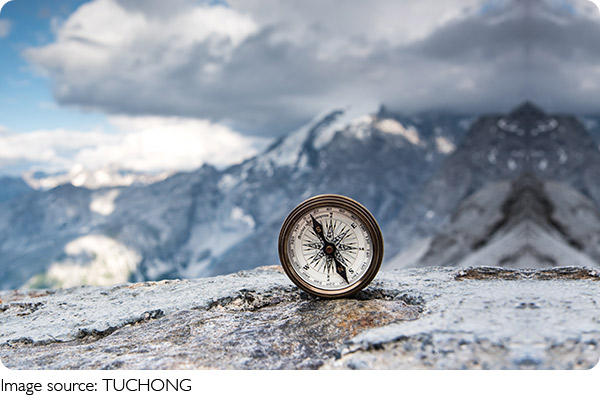
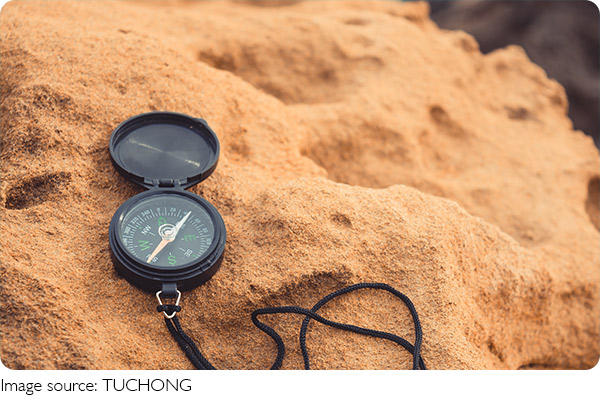
Before using a compass, we should understand its main parts. The magnetic needle is the moving part, and its colored end points toward magnetic north. The dial shows directions from 0 to 360 degrees, allowing us to read a specific bearing. The base helps us hold the tool steadily and may include a ruler. The direction arrow shows the line we want to follow. Knowing these parts makes each step easier.
Keep It Level
Our first step is to hold the compass as level as possible. If we tilt it too much, the needle may not move freely, which can affect the reading. We can place it flat on our palm or hold it steadily in front of us. Then we should wait for the needle to settle before checking the dial. A calm reading is easier to trust.
Find The Direction
After the needle settles, we identify north on the dial. The colored end indicates magnetic north. Next, we point the direction arrow toward our intended destination. We can then read the degree shown on the dial. Around 90 degrees represents east, while around 180 degrees represents south. These numbers give us a clear way to describe exactly where we want to travel.
Use A Map Together
A compass becomes even more useful when we combine it with a map. We can place the compass on the map and align its straight edge with the route we plan to take. Then we adjust the map and compass so their north references match. Once they are aligned, we can compare the planned route with trails, roads, hills, and other visible features. This helps us prepare before moving.
Understand Magnetic Variation
For a short walk, a simple reading may be enough. For longer or more precise navigation, we should consider magnetic variation. Magnetic north and geographic north are not exactly the same, and the difference changes according to location. If we need greater accuracy, we can check reliable local navigation information and make the proper adjustment. Even a small difference can become noticeable over a long route.
Avoid Nearby Interference
We should also watch for objects that can affect the magnetic needle. Large metal objects, electronic equipment, and strong magnetic sources may cause an unusual reading. If the needle suddenly behaves differently, we can move away from the suspected source and check again. Taking a second reading in a clear area is a simple way to confirm the result.
Check Direction At Night
Low visibility does not mean we have to stop checking our position. We can combine the compass with familiar landscape features and other natural references. In clear conditions, the night sky may also provide useful clues. The North Star is a familiar reference for locating geographic north in the Northern Hemisphere. Still, using several clues together gives us a more reliable understanding of our position.
Practice In Real Places
During a hike, we can check our heading at several points instead of waiting until we feel uncertain. In a city, a compass can help us understand the direction of a street when signs are confusing. It can also help when a phone has a weak signal or its navigation function is unavailable. Practicing first in familiar areas allows us to learn without adding unnecessary pressure.
Take Care Of It
Proper care helps keep a compass ready for future trips. We should protect it from strong impacts and high temperatures. The needle should move smoothly, while the dial and markings should remain clear. If we use an electronic model, we should check its power before leaving. A traditional model does not rely on a battery, while an electronic model may provide extra functions. We can choose according to our route and personal needs.
Build Confidence Through Practice
Lykkers, learning to use a compass is less about memorizing many rules and more about developing a useful habit. We can start by finding north, reading a few simple bearings, and practicing with a map. Once those steps feel natural, we can gradually try longer routes and more detailed navigation.
A compass may be a small tool, but it gives us a practical way to understand where we are and where we are heading. The more we practice, the easier direction becomes. So, Lykkers, the next time we head outdoors, why not bring a compass and test our skills? Would you prefer practicing with a traditional compass or an electronic model?
THIS is How to Use a Compass and Map
Video by Chris Cage