Restaurant Soft Style

Caleb Ryan
| 12-08-2026
 · Lifestyle Team
Hi, Readers! Designing a restaurant's soft interior is a bit like setting up a dinner party that has to charm people every single day.
The tables, lighting, and decorative details are not random pretty extras. They are the trio on stage, and if one starts singing a different tune, the whole room feels off.
A well-designed space should feel welcoming, practical, and visually connected, so guests can relax and enjoy the meal instead of feeling like they wandered into a furniture showroom having an identity crisis.
Start with the dining tables
Tables do more than hold plates and glasses. They quietly set the tone for the whole room. Shape, material, size, and finish all matter. Wood tables usually bring warmth and comfort, while metal or stone surfaces can create a cleaner, more modern mood. Round tables often feel social and relaxed, while rectangular ones are efficient and easier to line up in tighter layouts. The key is choosing tables that fit the restaurant's concept and leave enough space for staff and guests to move around comfortably. If the tables look rustic but the rest of the room is sleek and glossy, the space can feel like two different stories stitched together.
Use lighting to shape the mood
Lighting is the magician of restaurant design. It can make a room feel cozy, lively, dramatic, or calm without saying a word. Good restaurant lighting usually layers different sources instead of relying on one bright overhead fixture that makes everybody feel like they are eating under a supermarket ceiling. Pendant lights above tables can create focus and intimacy. Wall lights and accent lights help add depth. Warm lighting often works well in dining spaces because it feels inviting and flattering. At the same time, the fixtures themselves should match the interior style. A simple modern table pairs better with clean-lined lamps, while a more classic or textured table may work better with softer, decorative fixtures.
Let decorative elements support, not compete
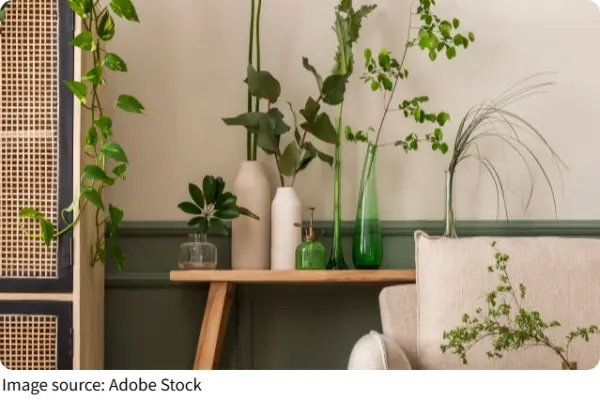
Decor is where personality walks into the room wearing a stylish coat, but it should not start shouting over the furniture and lighting. Artwork, plants, mirrors, textiles, and tabletop accents should echo the restaurant's overall style instead of fighting for attention. If the tables have bold grain or strong texture, decorations can be quieter. If lighting fixtures are sculptural and eye-catching, wall decor may need to stay more restrained. Repeating materials, colors, or shapes across the space helps everything feel connected. This is what turns a room from scattered to polished.
Keep comfort and function in the mix
A beautiful restaurant still has to work in real life. Chairs need to feel comfortable, table heights need to match seating properly, and lighting has to be pleasant without making menus hard to read. Decorative pieces should not crowd the table or block conversation. This is where many spaces stumble. They look lovely in photos but become awkward when actual guests sit down, move around, and spend time there. Soft design should support the dining experience, not get in its way. Beauty without function is like serving soup with a fork. Technically memorable, but not in a good way.
Create a consistent visual language
One of the most useful coordination methods is creating a clear visual language. That means deciding on a palette of colors, a family of materials, and a style direction before picking individual pieces. For example, natural wood, warm metal, soft fabric textures, and gentle lighting can create a cozy and relaxed atmosphere. Dark stone, clean lines, and focused lighting can feel more refined and modern. Once that direction is clear, every choice gets easier. Tables, lamps, and decor stop feeling like separate shopping decisions and start acting like a team.
Think about the guest journey
Restaurant interiors are not experienced in one single glance. Guests enter, wait, sit, eat, and look around. The design should unfold naturally through that journey. Entry areas can make a first impression with lighting and small decorative touches. Dining tables should feel inviting when guests sit down. Lighting should guide attention without overwhelming the room. Decorative details can give people something pleasant to notice while they wait or chat. When all these parts are coordinated, the restaurant feels thoughtful and complete, even if guests cannot explain exactly why.
In the end, the coordination of tables, lighting, and decorative elements comes down to balance. Each piece should support the restaurant's mood, function, and identity without trying to steal the entire show. If you keep materials, scale, color, comfort, and atmosphere working together, the space will feel smooth, natural, and memorable. And honestly, that is exactly what a good restaurant should be, like a great meal where every ingredient knows its role.