Wall Balance Basics

Sofia Alvarez
| 12-08-2026
 · Lifestyle Team
Hi, Readers! Choosing wall decoration is a bit like seasoning a soup.
Too little, and the room feels unfinished. Too much, and suddenly the wall is shouting louder than everyone else in the house.
The sweet spot sits somewhere between framed art, decorative pieces, and open space, where each one gets room to breathe and do its job.
A well-decorated wall usually starts with purpose. Some walls are meant to be the star of the room, while others work better as quiet background players. If you want a wall to catch attention, hanging art can give it that anchor. A single large piece often creates a cleaner, calmer effect than a jumble of tiny frames. On the other hand, a gallery arrangement can bring energy and personality when the pieces share some visual connection, like a similar color palette, frame finish, or subject. That little thread of consistency is what keeps things from looking like a closet exploded onto the wall.
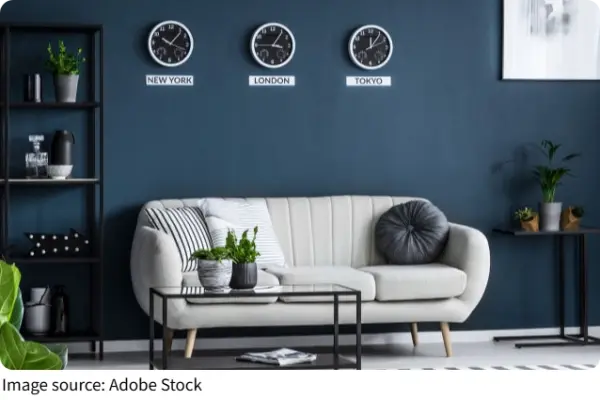
Choose Art With Intention
When picking hanging art, scale matters more than most people expect. A piece that is too small can look lonely, like it missed the bus. A piece that is too large can crowd the room and make everything else feel squeezed. In many spaces, artwork should relate to the size of the furniture below it. Above a sofa, console, or bed, the art should feel visually connected rather than floating off on its own little island. Placement matters too. Art that hangs too high often feels disconnected, so keeping it closer to eye level usually creates a more natural look.
Color and mood also play a major part. If the room already has lots going on through patterned rugs, colorful cushions, or textured furniture, simpler artwork can help restore balance. If the room feels plain, a bold painting or graphic print can wake it up fast. Think of wall art as the room's storyteller. It should support the overall mood rather than hijack the conversation.
Use Decorative Pieces Carefully
Decorative wall pieces, such as mirrors, baskets, sconces, or sculptural objects, add texture and shape that framed art alone may not provide. They are especially useful when a room needs variety. A mirror can bounce light around and make a compact room feel more open. Woven or textured items can soften a hard space filled with straight lines and smooth surfaces. These pieces are not just fillers. They change how the room feels, almost like switching from plain toast to toast with jam.
That said, decorative items work best when they are selected with restraint. If every wall holds a different object in a different style, the room can quickly feel cluttered. Repeating materials, finishes, or tones helps the eye move comfortably through the space. A few thoughtfully placed accents usually do more than a dozen random ones.
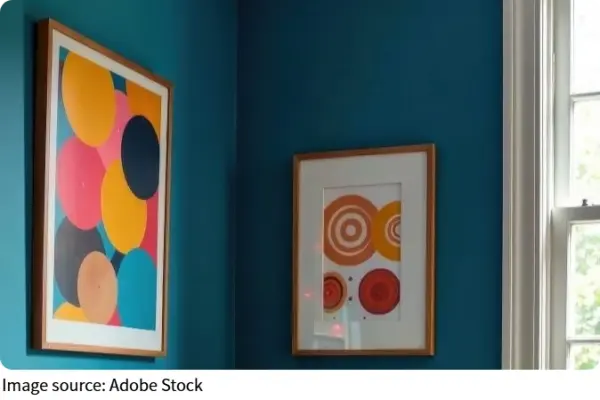
Respect Empty Space
Leaving some wall space empty is not a decorating failure. It is part of the design. Open space gives the eye a place to rest and helps the pieces you do choose stand out more clearly. Without it, even beautiful art can lose impact. Blank areas can also make a room feel calmer and more spacious, which is especially helpful in smaller rooms or homes where furniture and storage already create visual fullness.
This is where balance really comes in. Not every wall needs something on it. In fact, trying to decorate every available inch often backfires. If one wall features a gallery of art, the wall across from it may be better with just one mirror or even nothing at all. The contrast helps the decorated wall shine. Think of empty wall space as silence in music. Without pauses, everything turns into noise.
Match the Room's Rhythm
Different rooms can handle different levels of wall decoration. A living room often welcomes a stronger mix of art and accents because it is used for gathering and daily life. A bedroom usually benefits from a softer, more restful approach, with fewer pieces and gentler compositions. Hallways and entry areas can carry bolder arrangements because they are transitional spaces, almost like the opening scene of a movie.
It also helps to step back and look at the whole room, not just one wall. Wall decoration should connect with the furniture, lighting, textiles, and overall style. When everything shares a similar visual rhythm, the room feels settled and intentional. If something feels off, the issue is often not the individual piece but how it relates to everything around it.
In the end, choosing wall decoration is really about editing. Pick art that fits the scale and mood of the room, add decorative objects that bring texture or function, and leave enough open space so the whole thing can breathe. If your wall feels balanced, the room will too. So before you start filling every blank patch, pause for a second and let the space tell you what it actually needs.